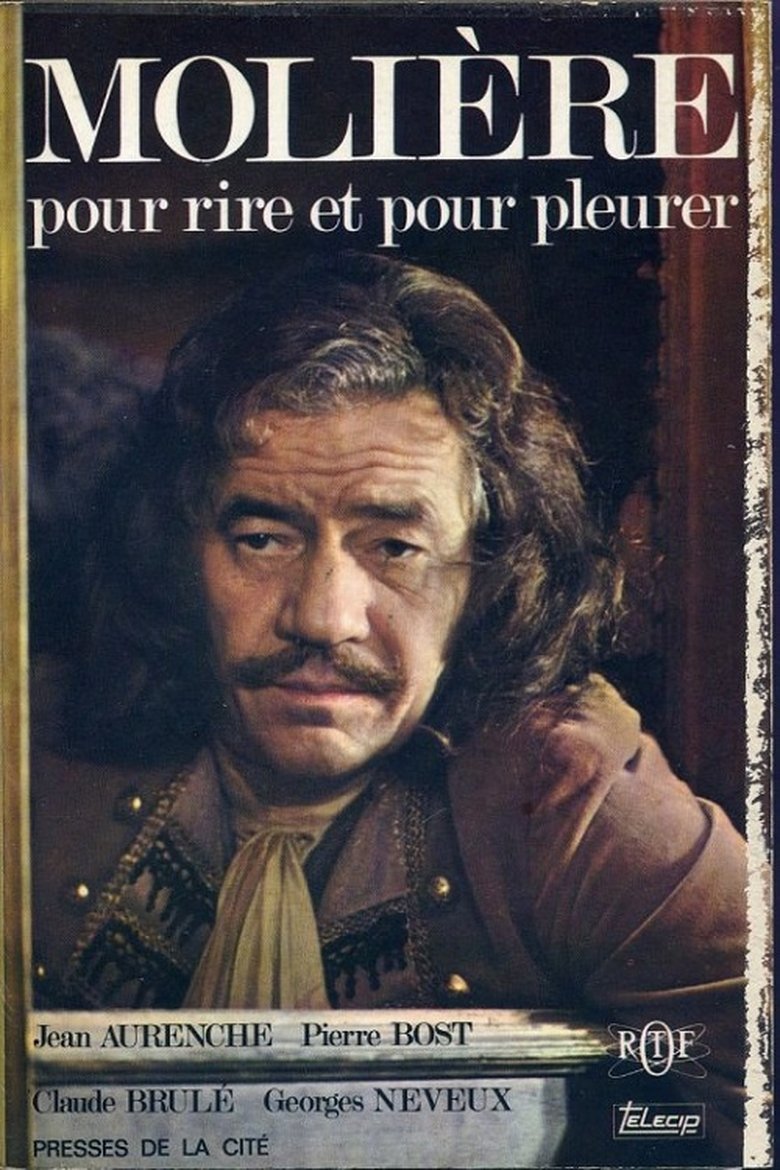

Where laughter becomes a weapon, and the stage becomes fate.
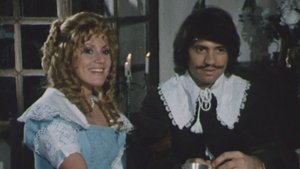
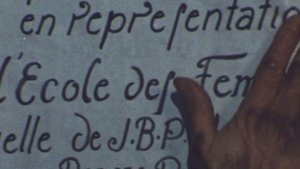
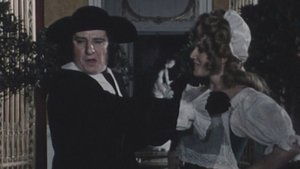
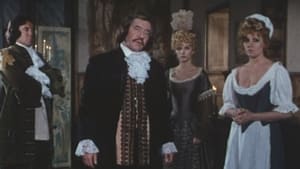
Molière pour rire et pour pleurer recounts the life of Jean‑Baptiste Poquelin, from his childhood in an artisan family to his rise as Molière, a central figure of French theatre. The series shows his difficult decision to abandon the family trade and join Madeleine Béjart to found L’Illustre Théâtre, marked by debts and repeated setbacks. While touring the provinces, he shapes his style and discovers the power of comedy. Back in Paris, he makes a name for himself with Les Précieuses ridicules, but his sharp satires provoke fierce opposition, especially during the Tartuffe scandal. Supported by Louis XIV, he continues despite attacks, literary rivalries, and tensions within his troupe, particularly with Armande Béjart. The miniseries also follows his growing exhaustion, his determination to perform at any cost, and his final breath after Le Malade imaginaire, the ultimate symbol of an artist who lived — and died — for the stage.

Nov 8, 1973 - 54m
In 1642, Jean Poquelin, an ordinary upholsterer to the King, urges his son Jean‑Baptiste to become a lawyer. But Jean‑Baptiste is irresistibly drawn to the theatre — and to the actress Madeleine Béjart. Supported by her family, the young man founds “L’Illustre Théâtre,” a troupe devoted to tragic drama.

Nov 15, 1973 - 55m
Faced with mounting debts and lukewarm reviews, Molière — newly self‑renamed — agrees to join the troupe of the aging Dufresne. It doesn’t take long before Dufresne entrusts him with its direction. Success follows. Back in Paris, eager to satisfy an audience constantly craving novelty, the stage director ventures into comedy.

Nov 22, 1973 - 55m
Molière triumphs with The Pretentious Ladies, but the farce causes embarrassment. His rivals, judging the satire far too realistic, manage to have Molière’s new theatre demolished. Yet they hadn’t counted on the favor of King Louis XIV.

Nov 29, 1973 - 55m
Molière found an ally in the person of the King. Both men were targeted and weary of the attacks from the “right‑thinking” members of the Catholic Church. So when Molière read the first three acts of Tartuffe to the King — a fierce portrait of a false devotee — the sovereign decided to have the play performed at Versailles, before the entire Court.

Dec 6, 1973 - 54m
Molière moves from disappointment to disappointment. His plays fail to win unanimous praise, Racine — his treacherous friend — enjoys triumphant beginnings, and Armande’s jealousy grows. She reproaches him for neglecting her in favor of the young “Baron,” the son Molière never had. Poquelin then writes a toned‑down version of Tartuffe to present to the public.

Dec 13, 1973 - 53m
Jealous of Molière’s success, Lully tries to discredit him in the eyes of the King. Crushed by debt, the composer dreams of claiming Molière’s author royalties. Meanwhile, Molière — aged and greatly weakened — has withdrawn to the countryside to write. Despite the melancholy consuming him, he refuses to give up performing The Imaginary Invalid, his final swan song.